Finding my Footing through a Minimalist Lifestyle
by Stanley W Morris
After succeeding at business and paying off the mortgage on my home, I gave up my middle-class lifestyle and most of my material possessions in pursuit of a simpler, more meaningful life.
It took years for me to winnow down my material possessions so that I would be free to live a simpler lifestyle and concentrate my efforts on my core values. I wanted to pursue international volunteerism and this required that I travel and have no more than two luggage bags and a carry-on. As such, I set that as my guideline for material possessions. Everything else, to this day, is furnished by landlords and/or project directors.
If all this seemed too drastic, I knew that I could always go back to my middle-class lifestyle; and I actually thought that I would after a couple of years out, but I haven’t yet and I continue to enjoy the simplicity in my life.
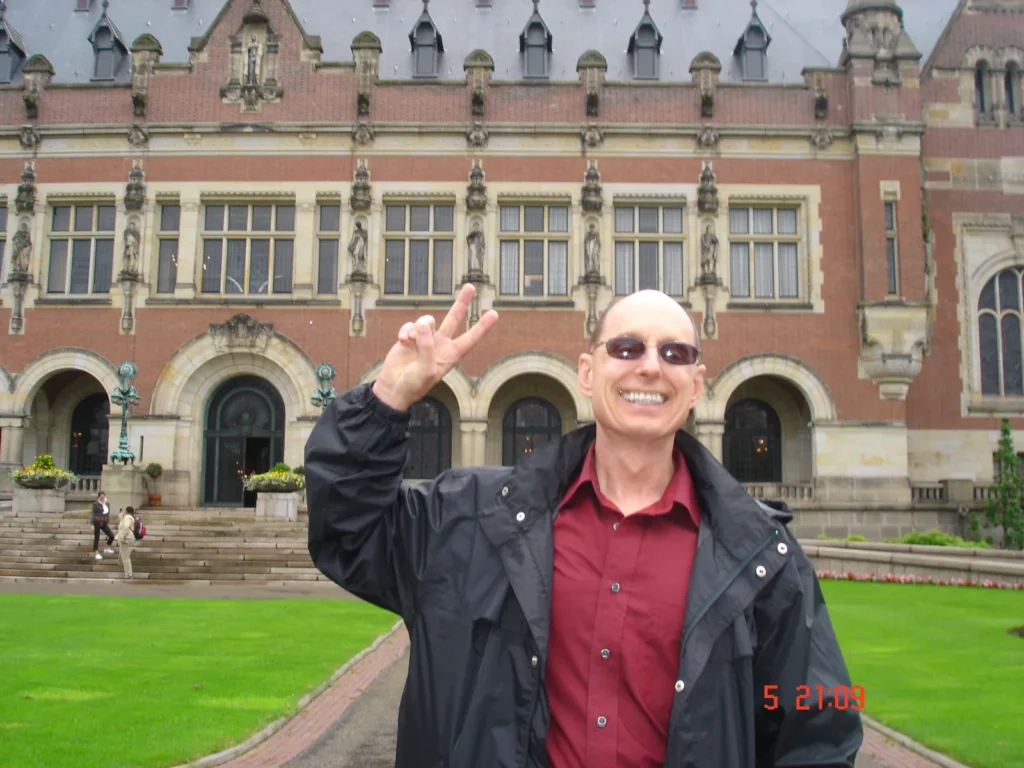
After completing my volunteer trips, I arrived in Provo via Amtrak’s California Zephyr, and moved into a one-bedroom apartment on the 3rd floor of a nine-plex located face-to-face with the Wasatch Front and three blocks south of Brigham Young University. My intention, yet another segment of an ongoing Intentional Living experiment, was a fourteen month research project at BYU’s Harold B Lee Library. My choice of residence was deliberate and based on several factors. I took into consideration energy and green space conservation, proximity to the University and to public transit, and nearby availability of reasonably priced, plant-based and/or organic foods. I have come to believe that three choices in our personal lives have a greater impact on our local and global environments:
1) where you live
2) whether or not you drive
3) what you eat
Our homes proportionately demand more or less energy and reduce available green space; automobiles contribute greatly to a city’s air pollution; and large-scale cattle production is a large contributor to deforestation and greenhouse gases.
All three of the above culturally determined “staples of living” involve choices that minimalists can make to enhance their own lives, as well as those of others, and focus more on maximizing their own goals and aspirations.
My parameters for a “minimalist lifestyle” are: residing in anything high-density (a studio apartment to a penthouse), traveling on anything that’s active transportation (from feet to trains), and reducing my consumption of everything, whether natural or man-made. My lifestyle is based on environmental impact, not necessarily on financial impact. This allows me an opportunity to live comfortably, and still minimize my environmental footprint.
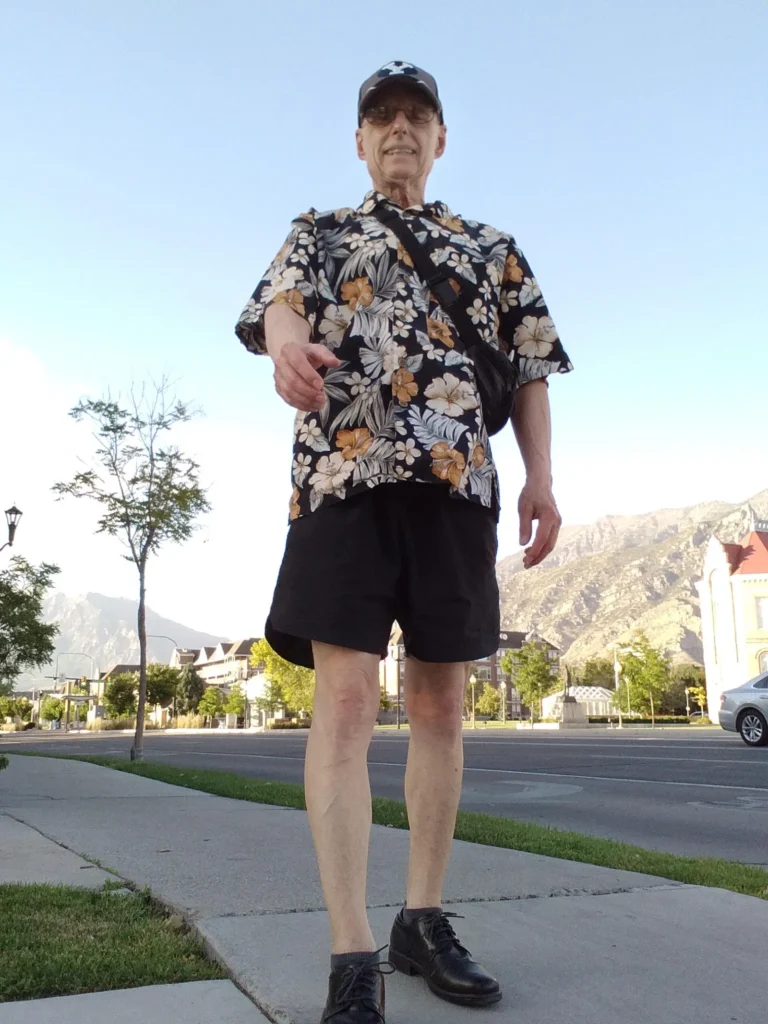
Without a vehicle, I now explore my community through “urban hiking”. I quickly learned there are advantages of not depending on a personal vehicle and using other methods of transportation instead. These advantages aren’t only financial, nor are they simply a sense of freedom; these advantages are a life-enriching kind that reduces harmful stress and increases healthier happiness.
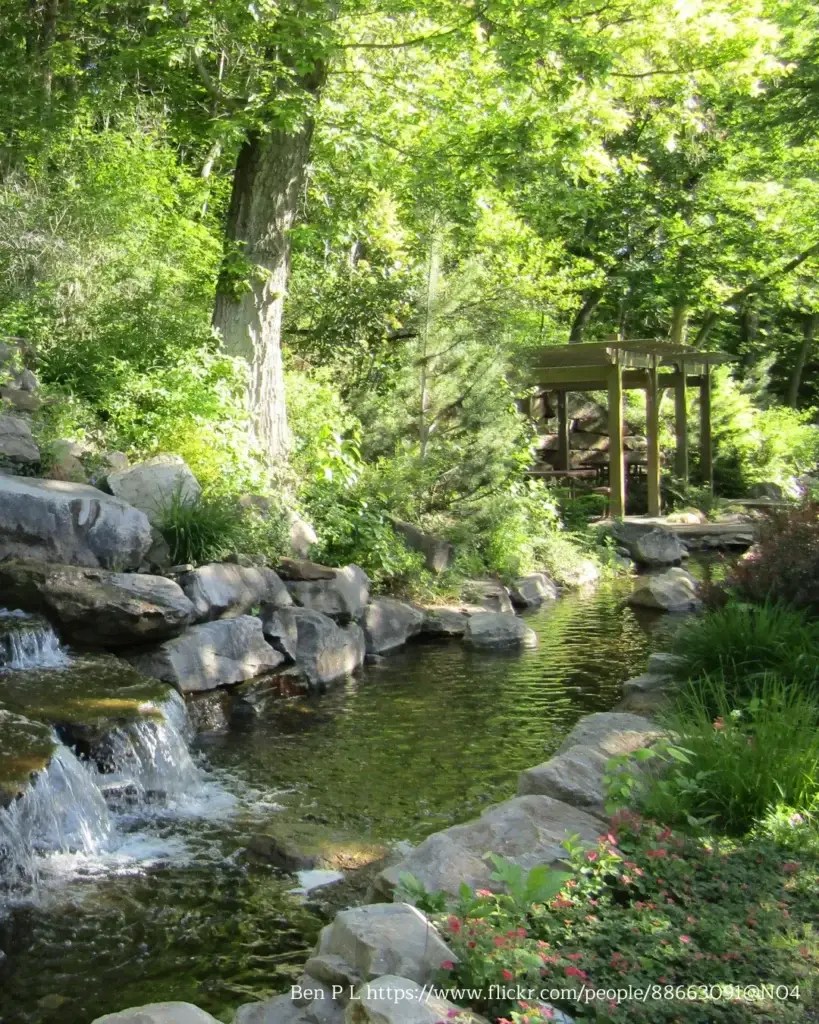
Returning home on foot from BYU, I often pass through the Bertrand F. Harrison Arboretum, a place where humans and nature pass time together…in effortless harmony. The time this takes is comparable to driving, but the inner sense of peace and joy I personally experience is not possible in a vehicle.
On other evenings I meet up with close friends and traverse the City of Provo in a random or nonchalant fashion, deciding at a street corner to go right, left, or continue ahead. From there we may end up at the “healing garden” of a local hospital on a warm summer night, or serendipitously being invited to receive a private tour of a downtown historic building.
We may welcome an opportunity, as we wend our way to another destination, to hike up a long flight of stairs, or a path with a much steeper incline, in an effort to take a perceived shortcut or just to see what’s on the other side, exploring some new locale. The encounters as described above, and many such others, are the result and benefit of urban hiking, hiking that I have done in many cities of the U.S. and Europe.
When I arrive in a new city or small town to stay or reside for an indeterminate period, the first evening, and every evening after, I begin walking randomly along its streets or to predetermined destinations, such as a grocery store, a library, or an interesting cafe, to become acquainted with the environs. And each evening I also try to take a different route, sometimes shorter and sometimes longer, and sometimes simply finding my way as I go. This is the way I develop a sense of the city or town; this is how I get to know its inhabitants, its unique culture or subculture; this is my way of finding my place within that culture…”je draai vinden,” or “find your footing” as the Dutch once told me.
Today, my intention is to live simply, more directed toward benefiting our global environment, thus advocating for an enhanced quality of life for a greater number of people, volunteering my efforts and sharing my rewards, ultimately offering the possibility of a healthier, kinder world.
Stan Morris has worked solely as a volunteer, at times internationally, with nonprofits and nongovernmental organizations whose focus is either directly or indirectly on human rights and/or the environment since 2006. His assignments have included work as an editor, writer, and communications officer. As journalism is his central interest, during that same period he has also written on minimalism, intentional living, and topics concerning civil rights and active transportation.