
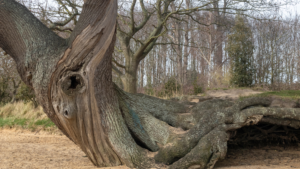
Broken Trees and Fallen Faith
Read the first-place entry from our 2026 Every Good Tree writing contest.
Read the first-place entry from our 2026 Every Good Tree writing contest.

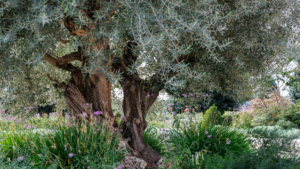
Read the third-place entry from our 2026 Every Good Tree writing contest.
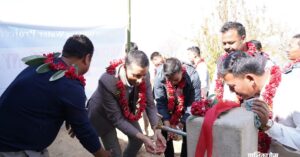
As the only missionaries currently in Nepal, we cannot share the gospel of Jesus Christ or even wear missionary name tags because of government restrictions. However, generous humanitarian contributions from families all over the world are fulfilling Christ’s second great commandment to “love thy neighbor as thyself.” These contributions are making access to reliable and convenient water possible.

Today, my intention is to live simply, more directed toward benefiting our global environment, thus advocating for an enhanced quality of life for a greater number of people, volunteering my efforts and sharing my rewards, ultimately offering the possibility of a healthier, kinder world.
On or about April 22, people around the world will celebrate Earth Day, affirming the importance of caring for the natural world in all its marvelous beauty and complexity, protecting the air we breathe and the water we drink. Latter-day Saints will be among those celebrants because we know that caring for the earth is more than a practical necessity; we recognize that stewardship for the earth is a sacred assignment.

The theme of this year’s forum and art show “Every Good Tree” is derived from Matthew 7:17, which says “every good tree bringeth forth good fruit”. We will be exploring our spiritual and cultural relationship with trees through art and the spoken word, especially as it pertains to Latter-day Saint theology and history. This event will be held in October in Utah with exact date and location TBA

Sometimes you just kind of fall into trying something and discover a whole niche you’d never heard of before. One thing led to another and now I’m a zipper slider expert!
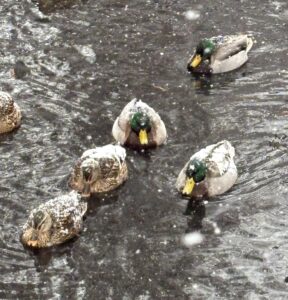
What struck me most was that these animals weren’t untouched by difficulty; in fact, their lives were dictated by much more uncertainty than mine! Winter was approaching, and food was not guaranteed. They spent their days navigating through busy roads, rugged terrain, and unforgiving weather.
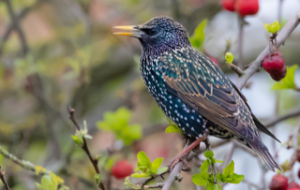
God knows all things–including every single one of his starlings. Starlings are small garden birds that can be found throughout the world. Like many other species of birds, starlings gather to keep warm, protect each other from predators and exchange important information. Yet, there is something entirely unique and phenomenal about the way starlings move.
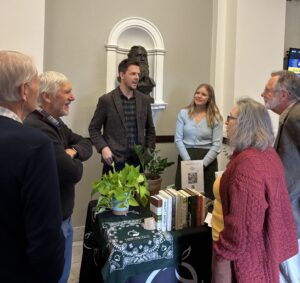
The symposium marked twenty years since the publication of Stewardship and the Creation: LDS Perspectives on the Environment, published by the Religious Studies Center and edited by George Handley, Terry Ball, and Steve Peck. That collection of essays explored earth-stewardship themes in light of the restored gospel of Jesus Christ and was the first of its kind, helping catalyze a community of awareness around the doctrinal implications of earth stewardship.
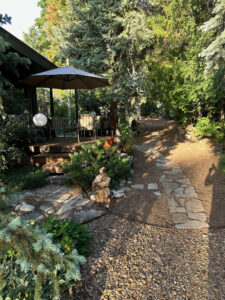
On the fifth day, after every living, creeping, and growing thing is made—everything but us—Elohim asks Jehovah and Michael to command each cadre of remarkable creatures to “multiply in their respective elements, each after its kind, that every form of life may fill the measure of its creation, and have joy therein.”
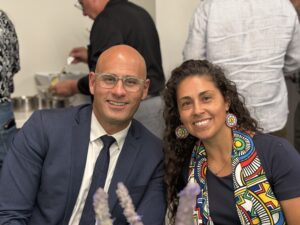
The Steward of the Year Award is one of Latter-day Saint Earth Stewardship’s favorite traditions. Each year, we give this ward to someone who has demonstrated exceptional earth stewardship in their community. Meet this year’s winner—Carolina Allen!
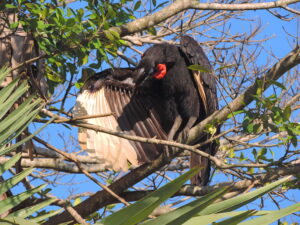
Birds play a vital role in maintaining healthy ecosystems. They pollinate plants, control pests, disperse seeds, and much more. Sadly, habitat destruction threatens these winged friends. I remember a time when two friends of mine from UK visited Uganda. One of the things they wished to see was the Abyssinian Ground hornbill. I knew of a tree where a couple was breeding for over five years.

When Wilford Woodruff first arrived in Salt Lake Valley, piercing-blue eyes taking in mountains sharp as pyramids, freshwater streams criss-crossing the valley floor, and a vast inland sea so salty he could hold its crystals in his hands, he wrote in his journal:
“We gazed with wonder and admiration upon… a large lake of salt water of miles in extent… creeks, brooks and rivers of various sizes all of which… wend[ed] their way into the great salt lake; our hearts were surely made glad…”
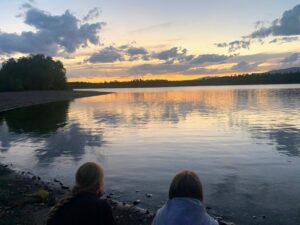
One February morning I wrote in my journal, “I just saw the sun come up over the mountains by watching the light gradually fill my kitchen…and that’s how I know that God watches over the earth and me.” I have Annie Dillard to thank, at least in part, for my eyes being open to that sunrise. Anyone who has read Pilgrim at Tinker Creek knows of Dillard’s gift for noticing and describing the wonders and perplexities of the natural world.
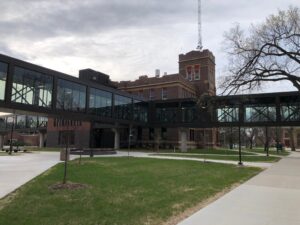
I currently work as a scientist in North Dakota where I study how individuals learn biology. I love being able to know the best ways to teach and talk about the complex intricacies of life through a biological lens – ones that bring wonder and awe to students. But as an educator and researcher, what science and what I teach in my class is only knowledge. Some of my students will actually care about a topic and want to do something about it because of what they learn. Most, however, will not.

Implementing renewable energy creates opportunities for Tribes to have reliable power sources and establish their energy sovereignty.
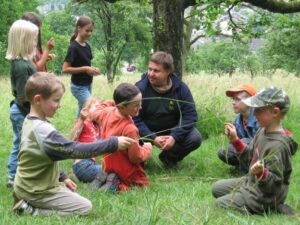
In years past, Latter-day Saint Earth Stewardship bestowed an award called “Steward of the Year” to someone who demonstrated exceptional earth stewardship in their community. During the pandemic, the Steward of the Year celebration was put on hold, but we are very excited to finally be bring it back. Congrats to Volker Molthan, this year’s winner!
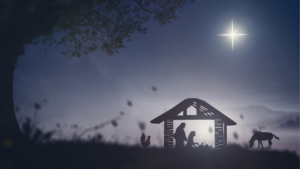
This season, as I celebrate the promised arrival of our Savior here on earth, I also practice anticipation of His promised return. When I spend time with my family, I want to more thoughtfully consider the legacy I’ll leave them. As I write out my resolutions and seek the spirit’s guidance, I’m trying to think further ahead into the future: five years into the future, thirty-five years, and perhaps four hundred years. Will what I do today bring a curse to those who come after? Can my actions instead be a blessing?
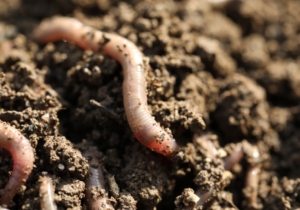
Earthworms are remarkable burrowing invertebrates and native worms play a vital role in maintaining the soil in their habitat.

AS A QUILTER, I HAVE ALWAYS BEEN FASCINATED by how simple small scraps of cloth can be sewn together to make something larger and more beautiful. It intrigued me how several individuals can come together to accomplish a big project.
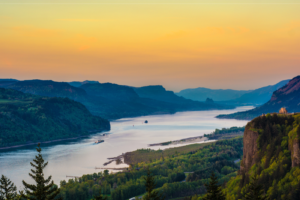
LDSES member Marie Blanchard shared the following poem with us. In it, she reflects on the water scarcity and drought in her home in the West.

By Brooke Paligo By 2050, there will be more plastic than fish in the ocean according to a 2016 report
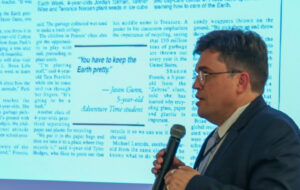
Sixty young Latter-day Saint academics attending the 2023 EuroSeminar learned about perspectives on earth stewardship and discussed ways to contribute
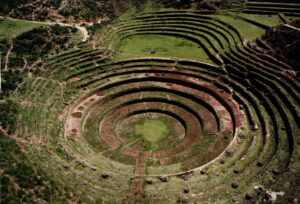
By Lisa Aedo Over the years, I have often wondered what it is that gives rise to different cultures and
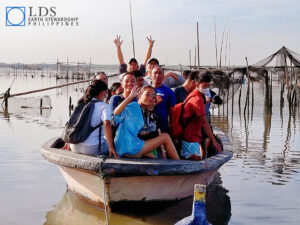
Earlier this year, Latter-day Saint Earth Stewardship started its first chapter in Asia: LDSES Philippines. Since that time, our members in the Philippines have been hard at work planting mangroves.
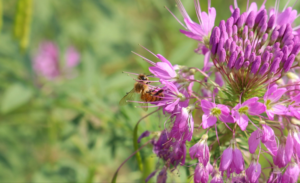
Like wildflower identification has fostered a deeper understanding of my Heavenly Father, studying any of God’s creations offers the opportunity to learn of Him and further appreciate His work. To those who have the desire, I encourage building enthusiasm in nearby nature to obtain these blessings. I recommend following these steps as a guide:
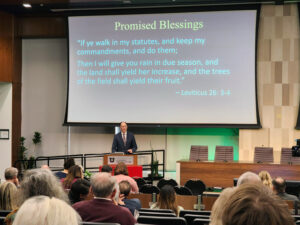
Latter-day Saint Earth Stewardship (LDSES) celebrates today’s address from Bishop W. Christopher Waddell of the Church of Jesus Christ of Latter-day Saints Presiding Bishopric at the University of Utah Stegner Symposium on the Future of the Great Salt Lake.
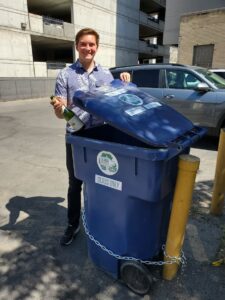
To celebrate Global Recycling Day, LDSES asked Glass Roots Recycling, a recycling service based in Provo, Utah, to answer some questions about how they got started and how to recycle glass.